
Gold has been used in jewelry for thousands of years, but not all gold is the same. Gold jewelry comes in several colors and purity levels, each with its own advantages. Yellow, white and rose gold are the most familiar colors, while 10K, 14K, 18K and 24K indicate how much pure gold a piece contains.Choosing the right type of gold depends on your preferred look, how often you’ll wear the piece, how much maintenance it requires and your budget. In this post, we’ll walk you through everything you need to know to choose your next piece of gold jewelry with confidence.
Shop beautiful gold jewelry at Sandler’s Diamonds & Time in Mount Pleasant, SC today!
Pure gold is naturally bright yellow, but it is also relatively soft. Jewelry made entirely from pure gold can scratch, bend or lose its shape more easily than jewelry made from a gold alloy. To improve its durability, jewelers often mix gold with other metals like silver, copper, zinc, palladium or nickel.
These metals can strengthen the gold while also changing its color and other characteristics. Copper, for example, creates warmer or pinker tones, while palladium and nickel help give white gold its silvery appearance.
The metals combined with pure gold create different colors of gold jewelry. Yellow, white and rose gold are the most common, but other shades can be produced through specialized alloys and surface treatments.
| Gold color | Appearance | Common alloy metals | Maintenance | Best for |
| Yellow gold | Warm and traditional | Silver, copper and zinc | Relatively low | Classic and timeless styles |
| White gold | Bright and modern | Palladium, nickel, silver or zinc | May require rhodium replating | Diamonds and contemporary styles |
| Rose gold | Pink and romantic | Copper and silver | Relatively low | Vintage-inspired or distinctive styles |
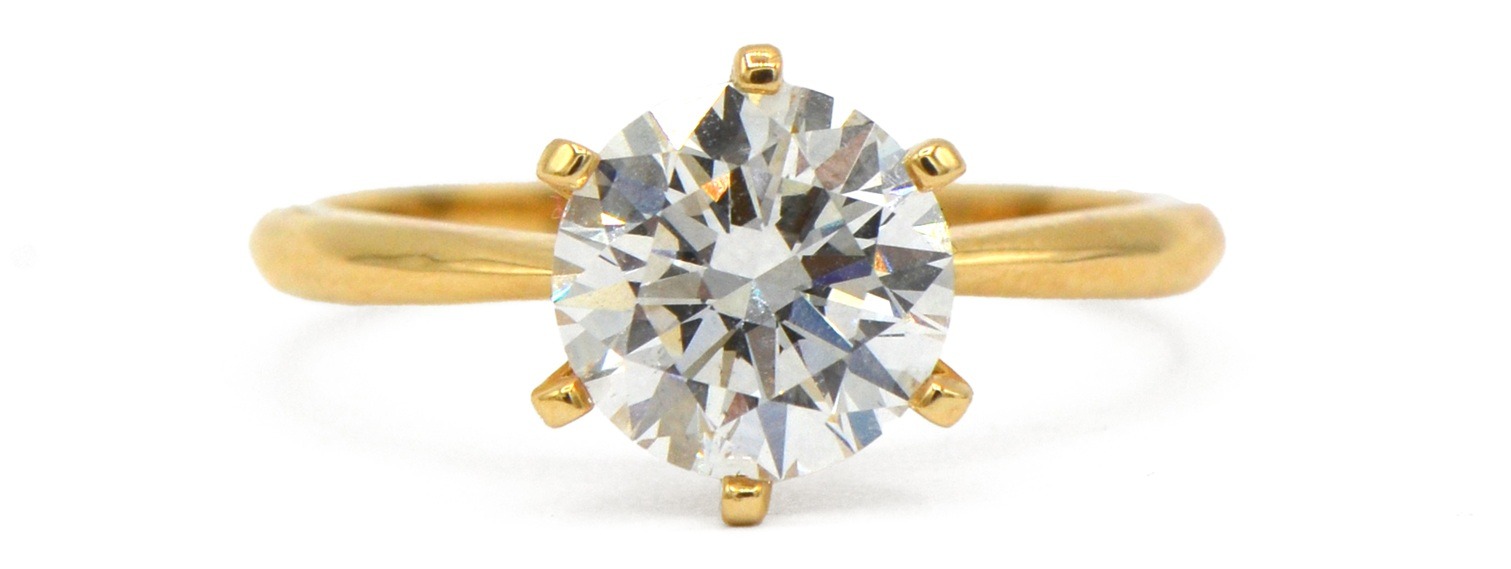
Yellow gold has the warm, rich appearance most closely associated with natural gold. Yellow gold generally requires less maintenance than rhodium-plated white gold. It may develop scratches with regular wear, but a jeweler can professionally clean and polish it to restore its shine. Higher-karat yellow gold has a deeper color but is usually softer, while lower-karat gold is lighter and more durable.
What it’s best for: Its timeless appearance makes yellow gold a popular choice for engagement rings, wedding bands, necklaces, bracelets and other fine jewelry. Its warm tone also complements diamonds and many colored gemstones.
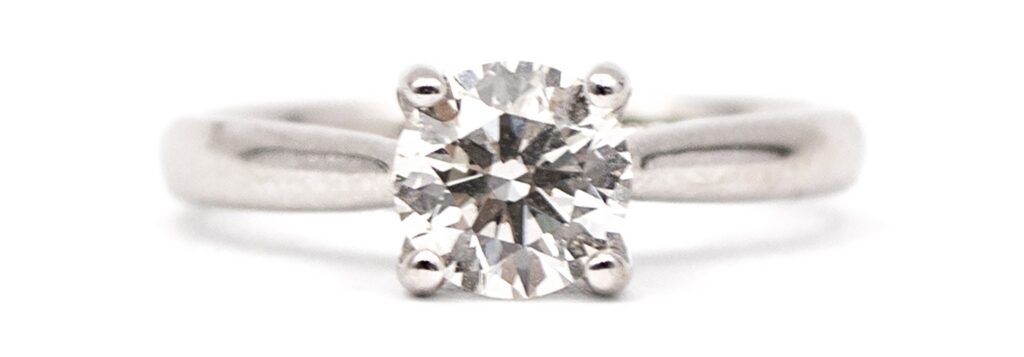
White gold is created by combining pure gold with lighter-colored metals like palladium, nickel, silver or zinc. These alloys give the gold a pale, silvery appearance. White gold still retains a slightly warm undertone, so many pieces receive a thin coating of rhodium to create a brighter, more reflective finish.
Rhodium is durable, but its coating can gradually wear away, especially on rings worn every day. When this happens, the warmer color of the underlying white gold becomes more noticeable. Our jewelers can restore the bright white appearance by cleaning, polishing and replating the piece.
What it’s best for: White gold offers a modern look that works especially well with colorless diamonds because the metal blends naturally with the stones. It’s frequently used for engagement rings, wedding bands and contemporary fine jewelry. If you have metal sensitivities, ask whether a white gold alloy contains nickel, which can cause a reaction for some people.
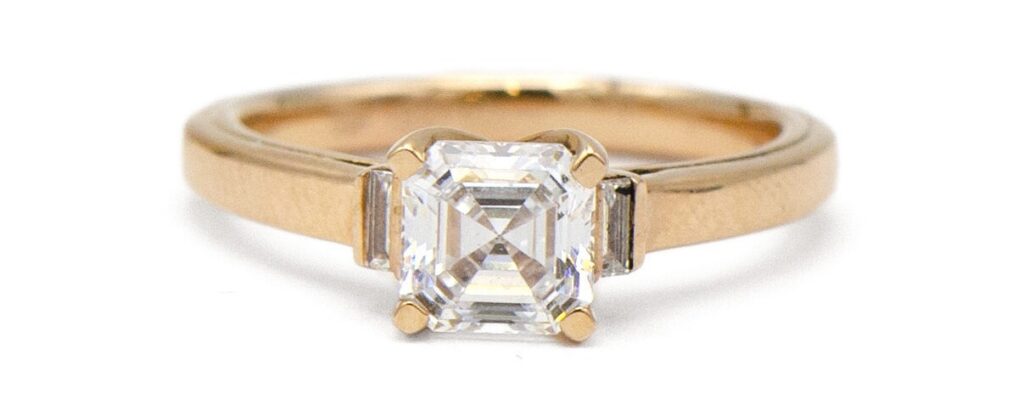
Rose gold gets its pink, reddish color from copper. It’s usually made by mixing pure gold with copper and a smaller amount of silver. Increasing the proportion of copper creates a stronger reddish tone, while using less copper gives a softer pink shade.
The copper in rose gold makes it relatively durable, helping it stand up to everyday wear. Rose gold doesn’t normally require plating, so its color won’t wear away in the same way as the rhodium finish on white gold. It can still collect scratches and benefit from professional cleaning and polishing periodically.
What it’s best for: Its warm color gives rose gold a romantic and distinctive appearance. It’s especially popular in vintage-inspired jewelry, but it also works beautifully in modern designs. Rose gold can complement diamonds and colored gemstones while pairing easily with both yellow and white metals.
Yellow, white and rose are the most popular shades of gold jewelry, but specialized alloys, plating and surface treatments can produce several unusual colors:
Karat measures how much pure gold an alloy contains using a 24-part scale. For example, 18K gold consists of 18 parts gold and six parts other metals, making it 75% pure. Don’t confuse karat with carat, which measures the weight of diamonds and other gemstones.
As gold purity increases, its color gets richer and its price increases, but higher-karat gold is also softer. Lower-karat alloys contain more strengthening metals, which make them more practical for jewelry worn regularly.
| Karat | Gold purity | Relative durability | Common uses |
| 24K | 99.90% | Very soft | Collectible or ceremonial pieces |
| 22K | 91.70% | Soft | Traditional and high-purity jewelry |
| 18K | 75% | Moderate | Luxury jewelry and bridal pieces |
| 14K | 58.30% | High | Everyday fine jewelry |
| 10K | 41.70% | High | Affordable, durable jewelry |
Terms like solid gold and gold-plated describe how a piece of jewelry is constructed. They shouldn’t be confused with karat, which indicates the purity of the gold used.
A visual inspection can provide clues about a piece of jewelry, but color alone can’t confirm its gold content. Start by checking for small stamps or hallmarks:
The best way to compare different types of gold is to see them in person. Lighting, finish, gemstones and skin tone can all affect how a piece looks when it’s worn.
Visit Sandler’s Diamonds & Time in Mount Pleasant, SC, to shop gold jewelry in traditional and contemporary styles. Our experienced team can help you compare yellow, white and rose gold, understand different karat levels and choose a piece that fits your style, lifestyle and budget. We also offer custom jewelry design, professional repairs and personalized assistance for customers throughout Mount Pleasant, Charleston and the surrounding Lowcountry.

Fourteen-karat gold is often a choice for everyday jewelry because it provides a good balance of durability, gold content and affordability. The best option depends on the design, how active you are and how the piece will be maintained.
Yes. White gold is real gold mixed with lighter-colored alloy metals. Most white gold jewelry is also coated with rhodium to give it a brighter white appearance.
Neither is universally better. Fourteen-karat gold is more durable and affordable, while 18K gold contains more pure gold and has a richer color.
Twenty-four-karat gold has the highest material value because it contains the greatest percentage of pure gold.
The pink color of solid rose gold comes from copper within the alloy, so it doesn’t normally fade away. The surface can become scratched or dull with wear, but professional cleaning and polishing can restore its appearance.
Look for a karat or fineness stamp, such as 14K, 18K, 585 or 750. Because markings can be missing, worn or inaccurate, professional testing is the most reliable way to determine whether a piece is real gold.
Of course! Mixing yellow, white and rose gold can create a stylish layered look. Two-tone jewelry, stacked rings, layered necklaces and mixed-metal bracelets make it easy to combine different gold colors intentionally.