
Buying a diamond is one of the most meaningful purchases you’ll make. Whether you’re shopping for an engagement ring, anniversary gift, or personal piece, understanding what drives a diamond’s beauty and value can help you make a confident decision. While the 4 Cs of diamonds are essential, they’re only part of the story. In this complete diamond buying guide, we’ll help you understand everything you need to know to buy a diamond with confidence.
The expert jewelers at Sandler’s Diamonds & Time in Mt. Pleasant can walk you through your options and help you find the right diamond for any style and budget.
Before diving into specifics, it’s important to understand that no two diamonds are exactly alike. Even stones with identical grades on paper can look completely different in person.
The diamond “four Cs” of cut, color, clarity, and carat form the foundation of diamond quality. But other factors like shape, proportions, and certification also play a major role in how your diamond looks and how much it costs.
Rather than chasing perfect grades across the board, most buyers get better value by prioritizing what matters most for appearance and making smart trade-offs elsewhere. Working with a certified jeweler like Sandler’s Diamonds & Time can help you find the best stone to match your vision at the best value.
The 4 Cs of diamonds are cut, color, clarity, and carat. Together, they create the universal standard for evaluating diamond quality. Each factor plays a role in your diamond’s appearance, value, and overall appeal. While they’re often presented separately, the key to choosing the right diamond is understanding how they all work together.
| 4 Cs | What It Measures | Grading Scale | Why It Matters |
| Cut | How well the diamond reflects light | Excellent to Poor | Determines sparkle, brilliance, and fire |
| Color | How colorless the diamond is | D (colorless) to Z (yellow / brown) | Affects overall appearance and brightness |
| Clarity | Presence of internal inclusions or blemishes | FL (Flawless) to I (Included) | Impacts visual purity and rarity |
| Carat | Diamond weight | Measured in carats like 1.0 ct | Influences size and price |
Cut is widely considered the most important of the 4 Cs, because it directly affects how much a diamond sparkles. It refers to how well a diamond’s facets interact with light, not its shape.
A well-cut diamond reflects light internally and returns it through the top, creating brilliance and fire. Poorly cut diamonds, even with high color and clarity grades, can appear dull or lifeless.
Cut grades range from Excellent to Poor. For most buyers, choosing a diamond with a Very Good or Excellent cut will make the biggest visual difference.
Diamond color measures how colorless your diamond is, graded on a scale from D (completely colorless) to Z (noticeable yellow or brown tint).
Colorless diamonds (D to F) are rare and the most expensive. Near-colorless diamonds (G to H) often appear just as white to the naked eye but cost much less, making them a popular choice.
Your engagement ring setting also matters. Yellow gold or rose gold can mask slight color, while white gold or platinum rings highlight it more.
Clarity refers to the presence of internal inclusions or external blemishes formed during the diamond’s natural creation.
Grades range from Flawless to Included. A Flawless diamond has no visible inclusions under magnification, while Included diamonds show visible imperfections. Keep in mind that many inclusions are microscopic and not visible to the naked eye without magnification.
This is where the concept of an “eye-clean” diamond is important. Many diamonds in the VS1 to SI1 range appear flawless to the naked eye, offering good value without paying for imperfections you can’t see.
Carat measures your diamond’s weight, not its size. That said, larger carat weights generally mean larger-looking stones.
Prices increase at popular “milestone” weights like 1.0 or 2.0 carats. Choosing a diamond just below these thresholds like 0.90 instead of 1.0 carats can help to reduce your cost with minimal visual difference.
It’s also important to remember that cut quality and shape can influence how large your diamond appears. We’ll talk about that more below.
If you want to see how these factors actually look in person, the GIA-certified specialists at Sandler’s Diamonds & Time can walk you through different options and help you compare diamonds side by side with confidence.
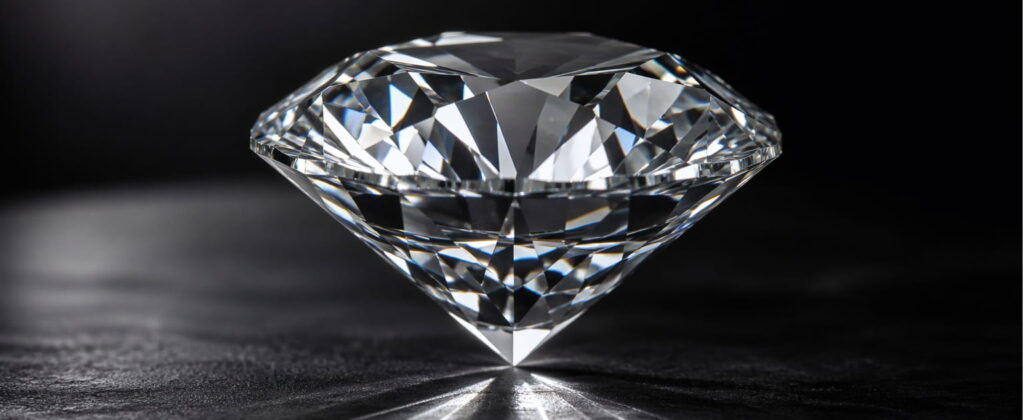
The 4 Cs are a great starting point, but they don’t tell the whole story. Many of the factors that influence how your diamond actually looks and its value go beyond basic grading. Details like shape, certification, and even subtle characteristics like fluorescence can impact appearance, value, and overall satisfaction. Here’s what you need to know:
Diamond shape plays a major role in both the overall look of your ring and how your diamond appears on the hand. While the 4 Cs determine quality, shape is all about personal style. It can also influence how large your diamond looks and how much sparkle it gives off. Let’s take a look at some of the most popular diamond shapes:
Round diamonds are the most popular choice for a reason. They offer unmatched brilliance and fire thanks to their precise facet pattern. They also are the most expensive shape per carat because of higher demand and greater cutting waste.
These shapes offer a balance of beauty and value. Oval and pear diamonds create an elongated look that can make fingers appear slimmer and diamonds look larger. Cushion cuts have a softer, vintage-inspired appearance with rounded corners and a pillow-like shape.
These shapes have a distinct, structured look. Emerald-cut diamonds and Asscher cuts feature step-cut facets that emphasize clarity and create a unique “hall of mirrors” effect. Princess cuts are a popular modern option, combining sharp angles with strong brilliance.
Natural diamonds are formed deep within the Earth over billions of years, while lab-grown diamonds are created in controlled environments using advanced technology.
Both types of diamonds have the same physical and chemical properties. Lab-grown diamonds are real diamonds, not just imitations. The main differences come down to origin and price. Lab-grown diamonds cost less, allowing you to buy larger or higher-quality stones for the same budget you would spend on a natural diamond. Natural diamonds, on the other hand, hold traditional appeal and rarity.
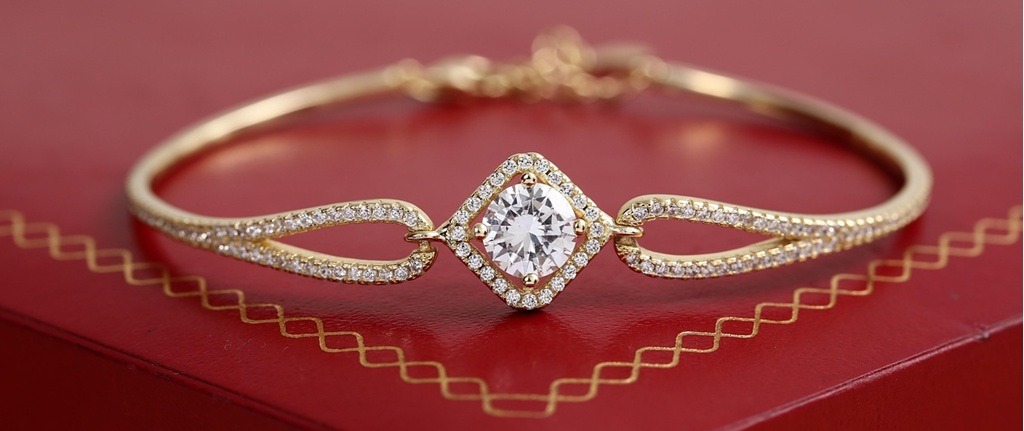
Finding the right diamond is about making smart trade-offs. You don’t need perfect grades across all categories to get a beautiful stone.
Key Tips for Maximizing Value:
Buying from a local jeweler offers advantages that online retailers can’t match. You can see diamonds in person, compare options side by side, and get expert guidance tailored to your needs. You can shop with confidence knowing that you’re working with an expert, GIA-certified team that prioritizes education, transparency, and long-term value.
Our experienced staff will walk you through the 4 Cs and beyond, helping you compare options and find a diamond that fits your unique style and budget. Give us a call or visit us in our Mt. Pleasant showroom today!

Cut is generally considered the most important because it directly affects how much your diamond sparkles. Even a high-carat diamond can look dull if it’s poorly cut.
An eye-clean diamond has no visible inclusions when viewed without magnification. These diamonds offer good value because you’re not paying for imperfections you can’t see.
There’s no fixed rule. The right budget depends on your financial situation and priorities. Focus on getting the best balance of quality and value rather than hitting a specific price point. We’ll be happy to help you explore all of the options within your budget.
Yes, lab-grown diamonds are real diamonds. They have the same physical, chemical, and optical properties as natural diamonds. The main difference is how they’re created.