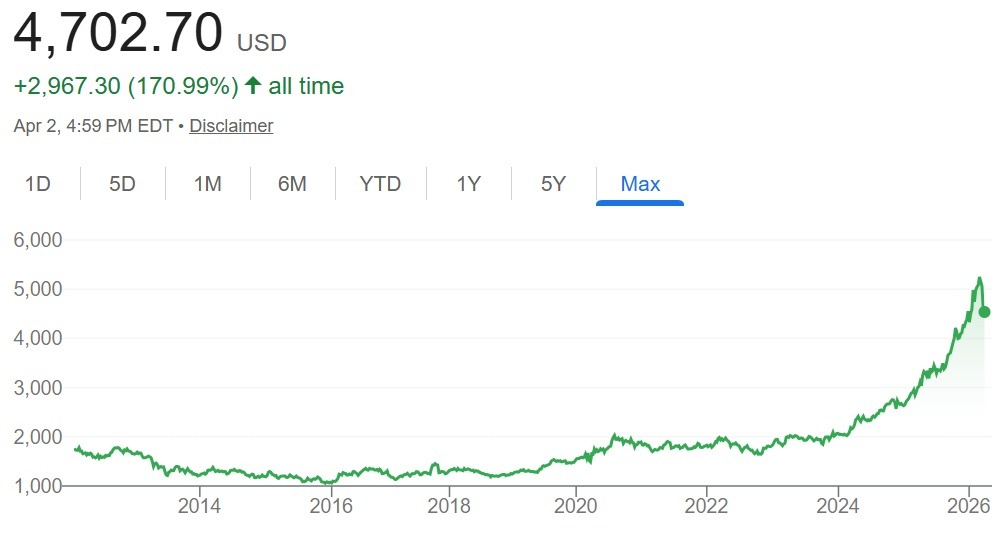
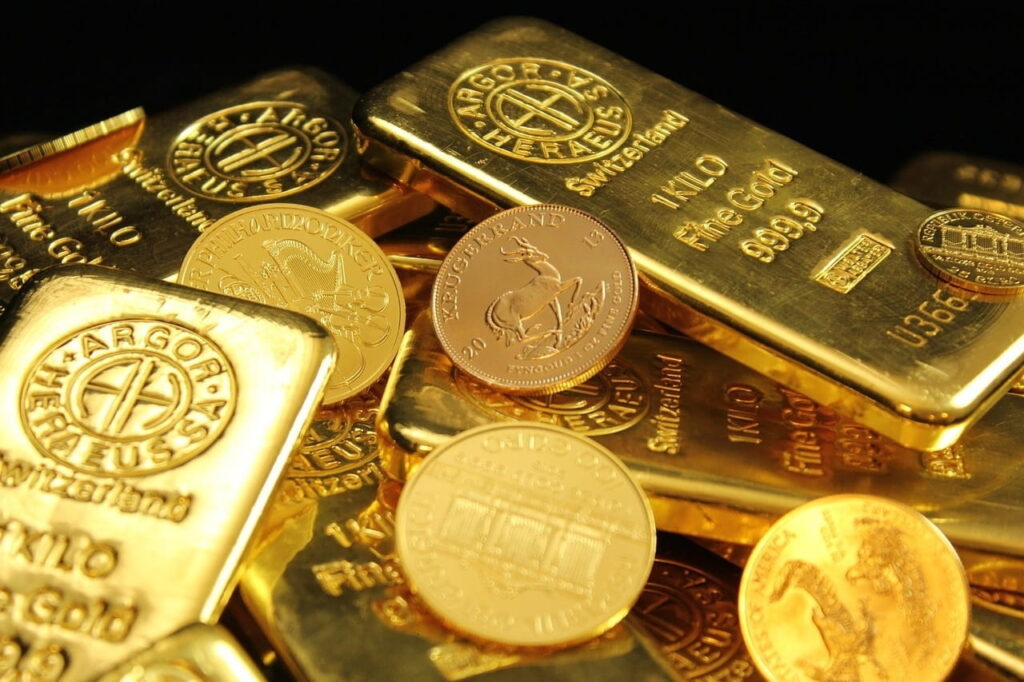
Gold and silver have been trusted stores of value for centuries. From economic uncertainty to long-term wealth preservation, precious metals are popular with investors who want diversification beyond stocks and bonds. Whether you’re interested in physical bullion or paper investments, understanding how to buy gold and silver can help you make smarter decisions and avoid costly mistakes.
This beginner’s guide explains why investors buy precious metals, the different ways to invest, key risks to understand, and practical steps to buy safely.
Looking to invest in gold or silver with confidence? Visit Sandler’s Diamonds & Time in Mt. Pleasant, SC to explore trusted precious metals options and get expert guidance before you buy.
Why Do Investors Buy Gold and Silver?
Investors buy gold and silver for stability, diversification, and long-term value preservation. Unlike paper assets, precious metals are tangible assets that historically maintain purchasing power over time.
Common reasons investors buy precious metals include:
Inflation protection: Gold especially has historically maintained value during periods of rising inflation.
Portfolio diversification: Precious metals move differently than stocks and bonds, helping reduce overall portfolio risk.
Safe-haven demand: Investors move into gold during economic or geopolitical uncertainty, because it has historically held its value when other assets decline. This flight to safety can increase demand and support gold prices during uncertain times.
Tangible ownership: Precious metals provide an asset you can physically hold and store privately rather than relying on financial institutions.
Long-term store of value: Gold and silver have been used as money and wealth preservation tools for thousands of years.
6 Ways to Buy Gold and Silver
There are many different ways to invest in gold and silver depending on your goals, risk tolerance, and whether you want physical ownership:
Physical gold and silver. Physical gold and silver: Buying bullion coins or bars provides direct ownership of precious metals, allowing you to hold tangible assets rather than derivative financial products tied to metal prices. Physical bullion is favored by long-term investors who want a store of value outside the traditional financial system and the ability to store their metals privately.
Gold and silver ETFs. Exchange-traded funds (ETFs) track the price of gold or silver without requiring physical storage. They are easy to trade but don’t provide direct ownership of metal.
Precious metals mutual funds. These funds invest in mining companies or diversified metals assets. They offer professional management but carry higher fees.
Mining stocks. Buying shares of gold or silver mining companies gives you indirect exposure to metal prices, but company performance and operational risks also affect returns.
Futures and options. Advanced investors can trade precious metals contracts. These involve leverage and higher risk, making them unsuitable for most beginners.
Gold and silver IRAs. Self-directed IRAs allow you to hold physical precious metals within a retirement account. These accounts require approved custodians and have specific storage rules.
How to Buy Physical Gold and Silver, Step by Step
When buying gold or silver, take your time to research pricing, dealers, and storage to help ensure a safe purchase. Here’s how to start investing in gold and silver in just a few easy steps:
Step 1: Decide how much to invest
Start by determining how precious metals fit into your overall investment strategy. Many financial professionals suggest limiting precious metals to 5% to 10% of a diversified portfolio, depending on your goals and risk tolerance. Speak with a financial advisor if you’re unsure how much of your portfolio you should allocate to precious metals.
Step 2: Choose between coins, bars, or rounds
Coins carry higher premiums but can be easier to resell. Bars usually offer lower premiums per ounce. Rounds are privately minted and cost less than government-issued coins but may be more difficult to resell.
Step 3: Understand spot price and premiums
The spot price is the current market price for gold or silver. Dealers add a premium to cover manufacturing, distribution, and business costs. Comparing premiums helps ensure you don’t overpay.
Step 4: Compare dealers
Always compare multiple dealers before buying. Consider pricing transparency, buyback policies, reputation, and customer reviews to find trustworthy sellers.
Step 5: Verify authenticity and certifications
Buy bullion from reputable sources that guarantee authenticity. Government-minted coins and recognized refiners usually include verification marks or certificates.
Step 6: Arrange delivery and storage
Decide whether to store your metals at home, in a bank safe deposit box, or through a professional storage provider. Each option has different security and insurance considerations.
Step 7: Keep documentation for resale
Save your receipts, certificates, and grading reports. Documentation helps verify authenticity, making it easier to resell your gold.
Where Can You Buy Gold and Silver?
You can purchase silver and gold through online retailers, local coin shops, jewelry stores, and investment platforms. Each option has its advantages depending on your priorities.
Buying Gold and Silver Online vs. Locally
Online dealers often offer large inventories and competitive pricing due to lower overhead costs. But you should factor in shipping time, insurance, and risk of fraud.
Local dealers allow you to inspect items in person and take immediate possession. Building a relationship with a local dealer can also make future buying and selling easier, especially when you want fast liquidity.
If you prefer working with a trusted local expert, Sandler’s Diamonds & Time offers a secure place to buy and sell gold and silver with transparent pricing and professional guidance.
Costs to Consider When Buying Precious Metals
Buying gold and silver involves more than just the listed price. Understanding the full cost structure helps you calculate your true investment:
Dealer premiums. Dealers charge premiums above spot price. Premiums vary depending on product type, demand, and market conditions.
Shipping and insurance costs. Online purchases include shipping and insurance charges. Some dealers waive fees above certain purchase amounts.
Storage fees. Professional vault storage services charge annual fees based on value or weight. This can be worth it for large holdings.
IRA custodian fees. Precious metals IRAs require custodians and approved storage, which adds administrative and annual maintenance costs.
Resale commissions. Some dealers charge fees or offer buyback prices below spot. Make sure you understand any resale terms before buying.
Risks of Buying Gold and Silver
Like any investment, precious metals carry risks. Understanding these risks helps you make informed decisions:
Price volatility. Gold and silver prices fluctuate based on economic conditions, interest rates, and global demand. All investments carry risk of loss.
Storage and security concerns. You’ll need to securely store your physical metals to prevent theft or loss. Insuring your metals is also a good idea, especially for larger holdings.
Liquidity timing risks. While precious metals are generally liquid, selling quickly during unfavorable market conditions can result in losses.
Dealer scams and fraud risks. Dishonest sellers may overcharge or sell counterfeit products. Always verify dealer and product credibility.
No dividend or yield compared to stocks. Unlike dividend stocks or bonds, physical metals don’t generate income. Returns depend entirely on price appreciation.
Tips for Buying Gold and Silver Safely
Taking a few precautions can help reduce risks and improve your buying experience when investing in gold and silver:
Work with reputable dealers. Choose dealers with strong reputations, transparent pricing, and clear buyback policies.
Avoid high-pressure sales tactics. Be cautious of aggressive sales approaches or claims of guaranteed returns.
Verify credentials and reviews. Check ratings from organizations like the Better Business Bureau and read customer reviews before buying.
Compare pricing before buying. Comparing multiple quotes helps you identify fair premiums and avoid overpaying.
How to Store Gold and Silver Safely
Storage is one of the most important considerations when buying physical precious metals:
Home storage offers immediate access but requires strong security measures such as safes, alarm systems, and discretion. Bank safe deposit boxes provide additional protection but may limit access hours.
Professional vault storage offers the highest level of security and insurance coverage. These facilities often provide allocated storage, meaning your metals are stored separately rather than pooled.
Regardless of your storage method, keep your holdings private and maintain documentation separately from your metals. Diversifying your storage locations can also reduce risk for larger investments.
Common Mistakes to Avoid When Buying Gold and Silver
Avoid these common mistakes when you start investing in precious metals:
Paying excessive premiums. Some specialty products carry large markups. Focus on widely recognized bullion products with reasonable premiums such as American Gold Eagles, American Silver Eagles, Canadian Maple Leafs, South African Krugerrands, and gold or silver bars from reputable refiners.
Ignoring resale value. Products with strong market recognition often sell more easily. Consider liquidity before buying unusual or niche items.
Not researching dealers. Skipping your research can expose you to scams or overpriced products. Always verify reputation and pricing before purchasing any precious metals.
Overinvesting in precious metals. Putting too much of your portfolio into metals can limit growth potential. Balance metals with other investments.
Confusing collectibles with bullion. Numismatic coins may carry collectible value but often include higher premiums unrelated to metal content. This can make them harder to resell at full value compared to bullion, where pricing is more closely tied to the metal’s market price and typically offers better liquidity for investors.
Gold vs. Silver: Key Differences Investors Should Understand
Gold and silver have some similarities but serve different roles in investment strategies:
Factor
Gold
Silver
Price per ounce
Higher
Lower and more accessible
Volatility
More stable
More volatile
Industrial demand
Limited
Significant industrial uses
Storage efficiency
High value in smaller space
Requires more storage space
Investment use
Wealth preservation
Growth potential and affordability
Liquidity
Very high
High but varies by product
Gold is more appealing to investors focused on stability and long-term wealth protection, while silver is better for investors seeking affordability and potential growth tied to industrial demand.
Buy and Sell Precious Metals at Sandler’s Diamonds & Time
Whether you’re starting your precious metals investment journey or looking to sell existing gold or silver, working with experienced professionals can provide peace of mind. Visit Sandler’s Diamonds & Time in Mt. Pleasant, SC to make a sale, explore our available inventory, or get expert recommendations.
Frequently Asked Questions
What’s the safest way to buy gold?
The safest way to buy gold is through reputable dealers with transparent pricing and authentication guarantees. Government-minted bullion coins and recognized refiners offer the best combination of security and resale value.
Can you sell gold easily?
Yes, gold is a highly liquid asset. You can sell to dealers, jewelers, pawn shops, or online buyers, though prices vary depending on market conditions and product type.
Are gold and silver taxed?
Taxes vary based on how you invest and where you live. Physical metals may be subject to capital gains tax when sold. Some states also charge sales tax on purchases.
What’s the best form of gold to buy?
Many beginners choose widely recognized bullion coins such as American Gold Eagles or Canadian Maple Leafs because they’re easy to verify and resell. Bars offer lower premiums for larger investments.
Should beginners buy gold or silver?
Beginners often start with silver because of its lower cost, allowing gradual investment. Investors focused on stability and long-term wealth preservation prefer gold.