
A quality watch is more than a timepiece. It’s an investment worth protecting. Like any precision instrument, watches need routine maintenance to prevent wear, seal damage, and costly repairs. With simple care habits and occasional professional service, most watches can last for decades.
In this watch care guide, we’ll cover essential watch maintenance tips, common mistakes to avoid, service timelines, and when to visit a professional jeweler to keep your watch running like new.
Watches are precision instruments made up of dozens or even hundreds of small moving components. Proper maintenance helps prevent unnecessary wear and ensures your watch continues to function as intended:
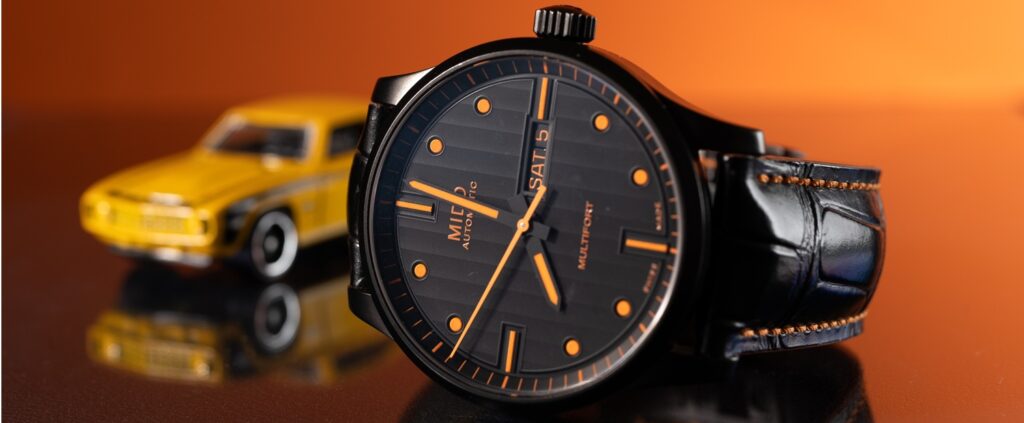
Following simple watch care habits can dramatically extend the life of your timepiece. These essential maintenance tips apply to most watch types including mechanical, automatic, and quartz watches:
Dirt, sweat, oils, and dust accumulate on your watch over time. Regular cleaning helps maintain its appearance and prevents debris from affecting moving parts.
Use a soft microfiber cloth to gently wipe your watch case and crystal. For metal bracelets, a soft brush can help remove buildup between links. Avoid harsh chemicals or abrasive cleaners that could damage finishes.
If your watch needs deeper cleaning, professional cleaning services safely remove buildup without risking damage to delicate components.
Careful storage is one of the easiest ways to protect your watch from unnecessary wear. Leaving watches loose on hard surfaces increases the risk of scratches and accidental damage.
Consider storing your watch in:
Keeping watches away from humidity and dust also helps prevent long-term damage.
Many watches are water resistant, but that doesn’t mean they’re waterproof. Water resistance can also decrease over time as seals wear down with time.
Best practices include:
If you suspect moisture has entered your watch, seek professional inspection immediately. Moisture can cause internal corrosion if not addressed quickly.
Just like a car, watches require periodic service to maintain performance. Oils inside mechanical watches dry out over time, which can increase friction and wear. Routine service includes lubrication, cleaning, calibration, and inspection of internal components. Here’s how often you should get your watch serviced:
Sandler’s Diamonds & Time provides professional watch services, movement overhauls, hand resetting, and precision inspections to help your watch perform like new.
If you own a quartz watch, replacing the battery before it completely dies can help prevent potential damage from battery leakage. Most watch batteries last one to three years. Professional battery replacement also includes checking seals and testing performance.
Warning signs that a battery needs replacement include:
Stop by Sandler’s Diamonds & Time in Mt. Pleasant, SC for same-day watch battery replacement services.
Extreme temperatures can affect lubricants inside your watch and impact timekeeping accuracy. Magnetic exposure can also disrupt the movement of mechanical watches.
Avoid placing your watch near:
If your watch suddenly begins running fast, magnetization could be the cause. Professional demagnetization can correct the issue.
Even durable watches can be damaged by drops or impacts. Internal components are finely tuned and sudden shocks can misalign or damage parts.
Simple precautions include:
If your watch experiences impact damage, prompt inspection can prevent small problems from becoming major repairs. Sandler’s Diamonds & Time offers impact damage repair, crown and stem replacement, and internal adjustments to restore damaged watches.
Mechanical watches require proper winding techniques to prevent unnecessary wear.
Watch winding tips:
Overwinding or improper handling can strain components, so gentle handling is key.
The crystal protects your watch dial and plays a major role in its appearance. Scratches can affect both your watch’s aesthetics and value. Avoid contact with hard surfaces, remove watches during manual labor and use protective storage. Sapphire crystal has high scratch resistance, but it’s not completely scratch-proof and can still be damaged by hard impacts or contact with certain materials.
Poorly fitted watch bands can cause unnecessary wear or even lead to loss if your watch slips off. Make sure your watch fits comfortably without sliding excessively.
Check that your watch has secure clasps, properly sized links, and no signs of excessive strap wear. Professional sizing helps ensure both comfort and security.
If you own multiple watches, rotate them to reduce wear on any single timepiece. This also allows lubrication to remain properly distributed in mechanical watches. Rotation helps extend longevity, maintain movement function, reduce cosmetic wear and preserve your collection. Timepiece collectors often use watch winders to maintain automatic watches between wear.
While you can do some basic maintenance at home, professional watch servicers have the tools and expertise required for complex repairs. Sandler’s Diamonds & Time offers professional watch repair services ranging from routine maintenance to complete movement restoration.

Even careful watch owners sometimes make mistakes that can shorten the life of their timepiece. Avoid these common issues to prevent unnecessary repairs:
Service frequency depends on what type of watch you have, how often you wear it and how old it is. Even watches that seem to be functioning normally benefit from periodic inspection.
Mechanical and automatic watches should be serviced every three to five years, while quartz watches should be inspected at every battery change. For vintage watches, service based on condition.
Warning signs your watch needs service:
Some watch care tasks are safe for you to perform yourself , while others require professional tools and experience.
Safe at-home watch maintenance:
Always seek a professional for:
Working with experienced professionals helps protect your watch from accidental damage and ensures repairs are performed correctly, saving you time and money.
Proper storage plays a major role in long-term watch preservation. Here are some quick tips to store your favorite timepieces safely:

If your watch is running slow, has stopped working, or simply hasn’t been serviced in years, now is the perfect time to have it inspected. Preventative maintenance today can save costly repairs tomorrow and help preserve your watch for years to come.
Visit Sandler’s Diamonds & Time in Mount Pleasant for professional watch services. Our experienced jewelers are here to help you protect your timepiece and keep it performing at its best.
Wipe your watch weekly with a microfiber cloth to remove oils and dirt. Professional cleaning can be done periodically depending on wear.
Most watch batteries last one to three years depending on the watch and usage. Replacing batteries promptly helps prevent leakage damage.
Not always. Water resistance ratings vary. Some watches are only splash resistant while others are suitable for swimming or diving. Always verify your watch’s rating before exposing it to water.