The right timepiece reflects your personal style, complements your lifestyle, and offers the features and craftsmanship you value most. Whether you’re buying your first watch or expanding your collection of luxury timepieces, understanding factors like budget, watch movements, materials, and sizing can help you find a watch that complements your style, fits your lifestyle, and stands the test of time.In this comprehensive watch buying guide, we’ll walk you through everything you need to know about choosing the perfect watch.
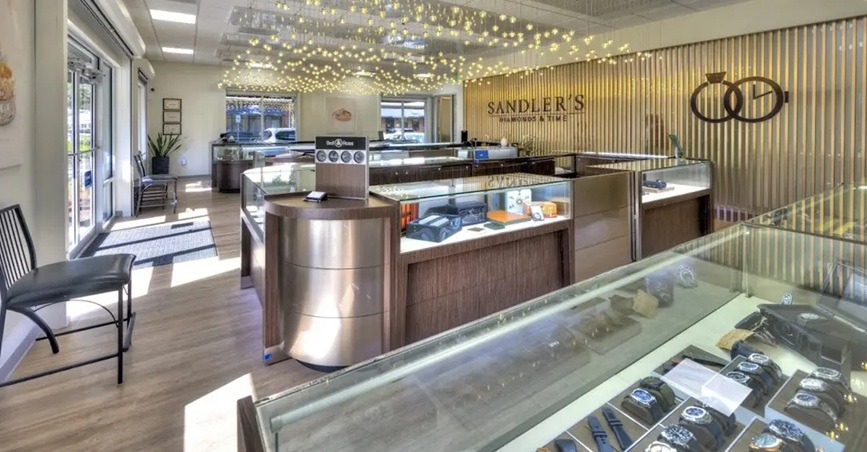
Looking to buy, sell, or trade a luxury watch? At Sandler’s Diamonds & Time in Mount Pleasant, SC, we offer a curated selection of luxury watches and personalized guidance to help you find your next timepiece.
Before shopping for a watch, establish a realistic budget based on your preferences, intended use, and financial priorities. Watches range from affordable quartz models costing under $100 to luxury mechanical timepieces priced at tens of thousands of dollars or more.
Entry-level watches prioritize functionality, affordability, and reliable timekeeping. Mid-range watches offer improved materials, automatic movements, and more refined construction. Luxury watches emphasize craftsmanship, prestigious brands, sophisticated movements, and premium materials.
Remember that the initial purchase price isn’t necessarily the total cost of ownership. Mechanical watches also require periodic servicing, and certain materials, complications, and luxury brands can increase maintenance expenses.
If you’re considering a luxury timepiece, shopping for a pre-owned watch can provide access to prestigious brands and desirable models at prices below their comparable new retail offerings.
Your lifestyle should play a role in determining which watch is best for you. A watch designed for formal occasions isn’t always the best choice for outdoor activities, while a rugged sports watch might feel out of place with more formal attire.
Consider how you intend to wear your watch. Will it be an everyday accessory, a statement piece for special occasions, or a functional tool for activities like swimming, hiking, or traveling?
For everyday wear, prioritize comfort, durability, and versatility. Stainless steel watches with simple dials complement both casual and professional clothing. If you’re purchasing a watch for formal occasions, a slim dress watch with a leather strap may be more appropriate.
Personal preferences also matter. Some people prefer understated designs, while others appreciate bold cases, colorful dials, and intricate complications. Ultimately, the best watch is one you’ll enjoy wearing regularly.
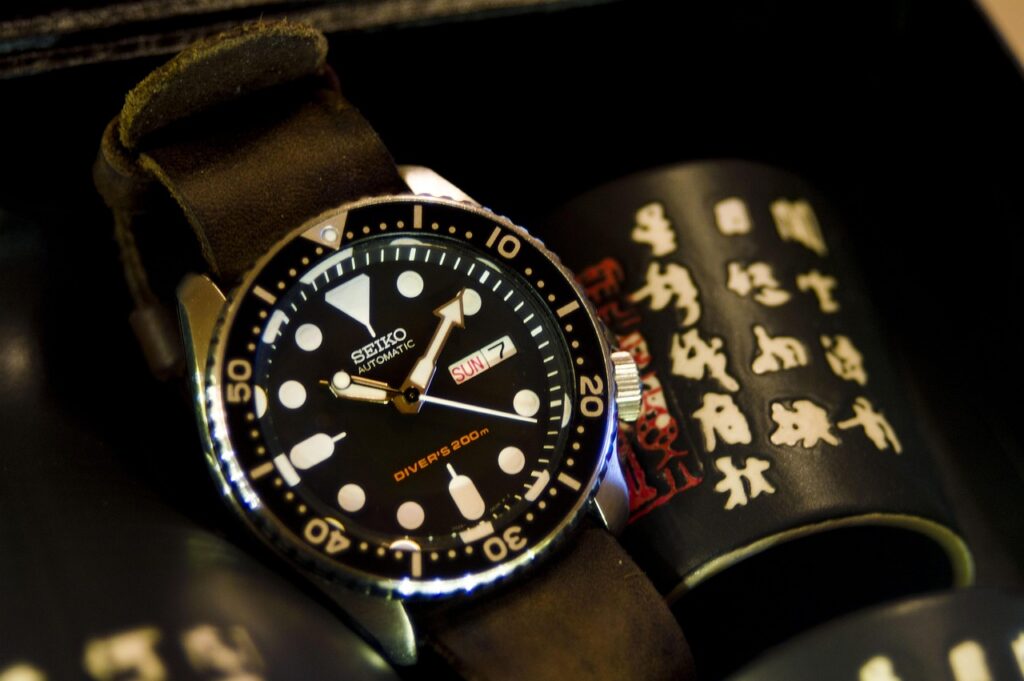
Watches come in many styles. Understanding the most common types of watches can help you narrow your options based on functionality, appearance, and intended use:
| Watch Type | Defining Characteristics | Best For |
| Dress Watches | Slim cases, minimalist dials, elegant designs, and often leather straps or refined metal bracelets. | Formal events, business attire, and special occasions. |
| Dive Watches | Water-resistant construction, rotating timing bezels, highly legible dials, and durable cases. | Swimming, diving when appropriately rated, and everyday wear. |
| Field and Pilot Watches | Field watches emphasize ruggedness and legibility, while pilot watches feature large dials and aviation-inspired designs. | Outdoor activities, travel, and casual wear. |
| Chronograph Watches | Built-in stopwatch functions, additional subdials, and pushers for measuring elapsed time. | Sports, timing activities, and people who appreciate technical designs. |
| Sports and Everyday Watches | Versatile styling, durable materials, comfortable bracelets or straps, and practical features. | Daily wear, recreational activities, and casual occasions. |
These categories aren’t mutually exclusive. For example, a dive watch can also serve as an everyday watch, while a chronograph may feature a dressier or sportier design.
Luxury brands frequently specialize in particular styles. Pre-owned Breitling watches are popular among aviation enthusiasts, while pre-owned Omega watches include iconic dive watches and chronographs.
A watch movement, sometimes called a caliber, is the mechanism responsible for keeping time and powering the watch’s functions. The three primary types of watch movements are quartz, manual mechanical, and automatic. Each offers different advantages regarding accuracy, maintenance, convenience, craftsmanship, and price:
Quartz watches use a battery or another electrical power source and a quartz crystal to regulate timekeeping. They’re more accurate and affordable than traditional mechanical watches.
Quartz movements require relatively little maintenance, but battery-powered models need periodic battery replacements. Their reliability and convenience make them excellent choices for everyday wear.
Manual mechanical watches use a mainspring that must be wound by hand to store energy. Unlike quartz watches, they operate without batteries, relying instead on an intricate system of gears, springs, and other mechanical components.
Manual mechanical watches are popular among enthusiasts who enjoy traditional watchmaking and the hands-on experience of winding their watch. But manual watches require more attention and are less accurate than quartz models. They also need periodic professional watch servicing.
Automatic watches are mechanical watches that wind themselves using a rotating weight, called a rotor, which moves in response to the wearer’s wrist movements. They offer the craftsmanship of a traditional mechanical watch without the need for daily hand-winding, as long as they’re worn regularly.
Automatic watches are popular among luxury watch collectors, but they generally cost more than comparable quartz watches and require periodic maintenance.
Which watch movement is best? Quartz is the most practical choice for affordability and accuracy. Manual mechanical movements appeal to traditionalists, while automatic movements offer a balance of craftsmanship and everyday convenience.
Choosing the correct watch size is essential for both comfort and appearance. A watch that’s too large may feel bulky or extend beyond your wrist, while one that’s too small may not achieve your preferred look.
Whenever possible, try on several watches before purchasing. Seeing how different case sizes and bracelets fit your wrist is more helpful than relying on measurements alone.
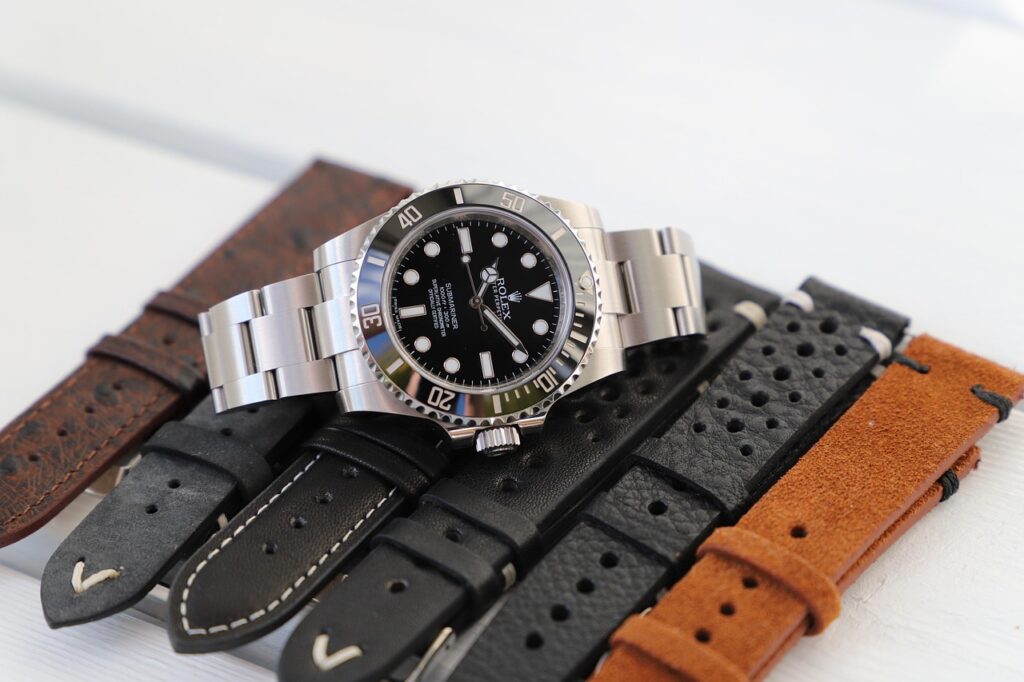
Watch materials influence durability, comfort, appearance, and price. Understanding the most common options can help you identify a timepiece that meets your practical needs and aesthetic preferences.
Prioritize features you’ll actually use rather than paying extra for unnecessary complexity.
A watch’s brand can provide valuable insight into its heritage, craftsmanship, reliability, and reputation. However, brand recognition alone doesn’t guarantee that a particular watch is the best choice for your needs.
Affordable watch brands emphasize practical features, dependable movements, and accessible pricing. Luxury watchmakers distinguish themselves through intricate mechanical movements, refined finishing, distinctive designs, and established histories.
For example, Rolex and Tudor are recognized for their robust sports watches, while Cartier is celebrated for elegant designs and iconic case shapes.
Other notable brands include Longines, known for Swiss watchmaking heritage, RADO for innovative materials, and Ulysse Nardin for sophisticated mechanical watchmaking.
For distinctive contemporary designs, consider Bell & Ross, while Bremont offers aviation-inspired timepieces.
Beyond brand reputation, several characteristics distinguish a well-made watch:
A quality watch should combine reliable performance, thoughtful design, and craftsmanship appropriate to its price.
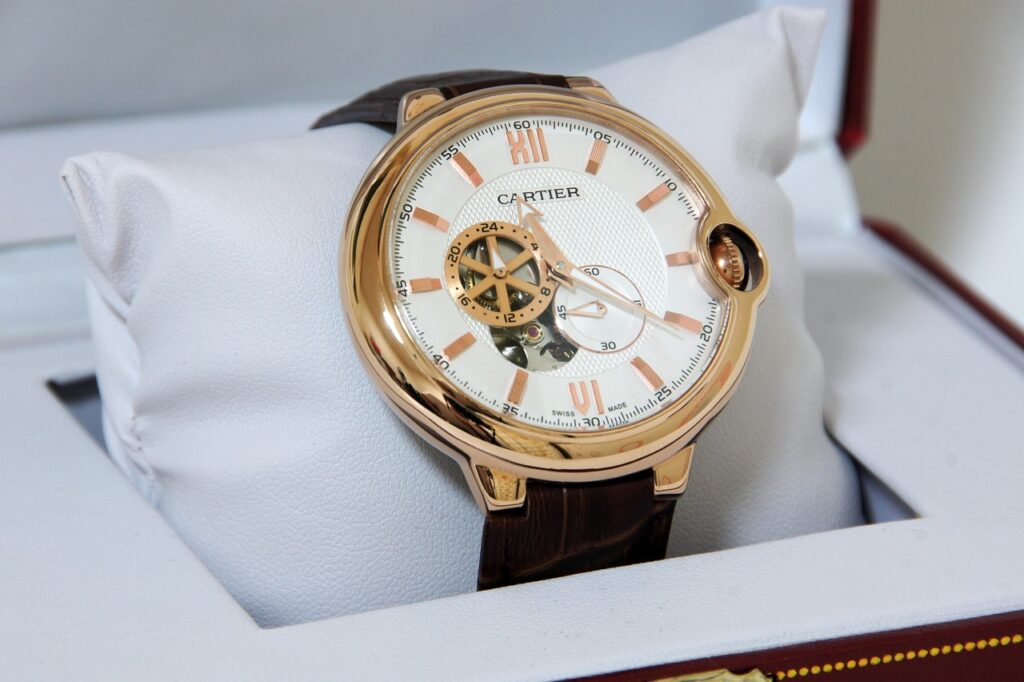
One of the most important decisions when buying a luxury watch is whether to purchase a new or pre-owned timepiece. Both options have distinct advantages, depending on your budget, preferences, and priorities.
Purchasing a new watch provides the experience of owning a timepiece that hasn’t previously been worn.
Pros
Cons
Pre-owned watches provide an opportunity to explore luxury timepieces across different generations, including discontinued and collectible models.
Pros
Cons
Before purchasing a used luxury watch, verify its authenticity, physical condition, movement performance, and available documentation. Ask about previous servicing, replacement parts, warranty coverage, and any known mechanical issues.
Buying from a reputable pre-owned watch dealer like Sandler’s Diamonds & Time can help reduce the risks associated with counterfeit watches, undisclosed damage, and inaccurate descriptions.
Whether you’re purchasing your first watch or adding to an established collection, you’ll want to avoid these common watch buying mistakes:
Taking time to research your options can help you avoid costly mistakes and choose a watch you’ll enjoy for years.
At Sandler’s Diamonds & Time, we’re proud to help customers throughout Mount Pleasant, Charleston, and the surrounding Lowcountry buy, sell, and trade luxury watches.
Whether you’re searching for your first luxury timepiece, upgrading your collection, or selling a watch you no longer wear, our knowledgeable team can provide personalized assistance throughout the process.
Explore our collection of luxury watches and pre-owned timepieces, or visit our jewelry store in Mount Pleasant, SC, to see our available selection in person. You can also contact us through our website to discuss buying, selling, or trading your next luxury watch.