
White gold and sterling silver are two of the most popular white-colored jewelry metals. At first glance, they can look remarkably similar. But despite their similar appearance, these metals differ greatly in composition, durability, maintenance requirements and long-term value. Understanding the differences can help you choose the right metal for an engagement ring, wedding band or everyday jewelry piece.
If you’re exploring white gold or silver jewelry in the Charleston area, visit Sandler’s Diamonds & Time in Mt. Pleasant for expert guidance, fine jewelry selections and custom jewelry services.
White gold is generally more durable, valuable and suitable for everyday fine jewelry. Sterling silver is more affordable and offers a bright white appearance, but it requires more frequent maintenance due to tarnishing and softness.
| Feature | White Gold | Sterling Silver |
| Composition | Gold alloyed with white metals such as nickel, palladium, or silver | 92.5% pure silver and 7.5% other metals, usually copper |
| Appearance | Bright white with rhodium plating | Naturally white with a slightly grayer tone |
| Durability | Strong and suitable for everyday wear | Softer and more prone to scratches |
| Tarnish Resistance | Highly resistant to tarnish | Can tarnish over time |
| Maintenance | Occasional rhodium replating | Regular cleaning and polishing |
| Hypoallergenic Properties | Depends on alloy composition | Generally hypoallergenic, though copper alloys may affect some wearers |
| Price | More expensive | More affordable |
| Long-Term Value | Higher precious metal value | Lower resale and intrinsic value |
White gold is an alloy made by combining pure gold with white-colored metals like nickel, palladium, silver, or zinc. Because pure gold naturally has a yellow color, these alloys help create a lighter appearance.
Most white gold jewelry is coated with rhodium, a rare platinum-family metal that gives white gold its bright, reflective finish. Rhodium plating also helps improve scratch resistance and protects the underlying metal.
White gold is commonly available in several purity levels, including 10K, 14K, and 18K. Higher-karat white gold contains more pure gold, while lower-karat options offer greater durability.
Sterling silver is a precious metal alloy made from 92.5% pure silver and 7.5% other metals, most commonly copper. This composition improves strength while maintaining silver’s attractive appearance.
Most sterling silver jewelry is stamped with “925,” indicating its silver content. Compared to white gold, sterling silver offers a bright, versatile look at a lower price point.
Sterling silver is widely used in fashion jewelry, earrings, necklaces, bracelets, and statement pieces. While it’s considered a precious metal, it’s softer than white gold and requires more maintenance to preserve its appearance over time.
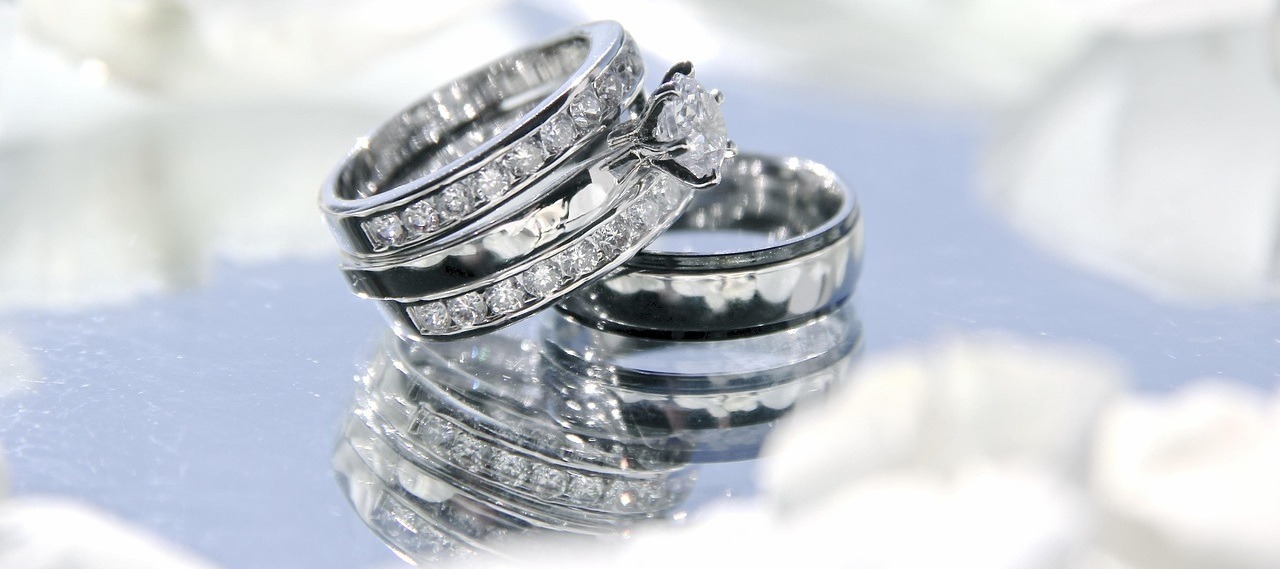
White gold and sterling silver can look nearly identical when new, but there are subtle differences. White gold usually appears brighter and more reflective because of its rhodium plating. The rhodium coating creates a crisp, brilliant white finish that many people associate with luxury jewelry.
Sterling silver has a naturally white appearance but has a softer, slightly gray tone. Over time, silver may lose some of its brightness as tarnish develops on the surface.
Durability is one of the biggest differences between white gold and sterling silver. White gold is generally stronger and more resistant to bending, scratching, and wear. This makes it a popular choice for engagement rings and wedding bands that are worn daily.
Sterling silver is a softer metal and can scratch more easily. While it remains durable enough for many jewelry applications, silver pieces may show signs of wear sooner than comparable white gold jewelry.
One of sterling silver’s biggest drawbacks is tarnishing. Silver reacts with sulfur compounds in the air, causing a dark discoloration known as tarnish. While tarnish doesn’t damage the metal, it requires regular cleaning to maintain silver’s appearance.
White gold doesn’t tarnish like sterling silver. The rhodium plating provides a protective barrier that helps preserve the metal’s bright finish. However, rhodium plating can gradually wear away over time, revealing a slightly warmer tone underneath.
Both metals require maintenance, but the type of maintenance differs. White gold jewelry may need periodic rhodium replating to restore its bright white appearance. Depending on your wear habits, replating is recommended every few years. Sterling silver requires more frequent cleaning and polishing to remove tarnish. Proper storage and routine maintenance can help reduce tarnish buildup and keep your silver jewelry looking its best.
Sandler’s Diamonds & Time offers expert jewelry repair and maintenance services to help preserve the beauty and longevity of your favorite pieces.
Skin sensitivity can be an important factor when choosing jewelry. Some white gold alloys contain nickel, which can cause allergic reactions in sensitive individuals. Nickel-free white gold alloys that use palladium are available for people with sensitivities.
Sterling silver is generally well tolerated, but some people may react to alloy metals used in lower-quality silver products. If you have sensitive skin, ask about hypoallergenic metal options before making a purchase.
White gold and sterling silver also feel different when worn. White gold is denser than sterling silver and feels more substantial. Sterling silver is lighter, which some people prefer for larger earrings, necklaces, or statement jewelry pieces. Neither option is inherently better. The choice often comes down to your personal preference.
Sterling silver is more affordable than white gold. Because silver is less expensive than gold, sterling silver jewelry costs much less than a comparable white gold piece. This makes silver an attractive option for budget-conscious shoppers.
White gold’s higher gold content and precious metal value contribute to its higher price. Rhodium plating and fine jewelry craftsmanship can further increase costs.
White gold generally offers stronger long-term value. Gold has historically maintained greater intrinsic value than silver, and white gold jewelry often retains more value over time. White gold is also more commonly used in heirloom-quality pieces and engagement rings.
Sterling silver is a precious metal, but its lower metal value and softer nature can result in lower resale value compared to white gold.
Neither white gold or silver is universally better. The right choice depends on your priorities, budget, and intended use.
Whether you’re searching for a white gold engagement ring, a sterling silver fashion piece, or a custom jewelry design, Sandler’s Diamonds & Time offers expert guidance and a carefully curated selection of fine jewelry in Mt. Pleasant.
Our team helps Charleston-area shoppers find the perfect jewelry for every occasion, from engagement rings and wedding bands to necklaces, earrings, bracelets, and custom creations. We also provide professional jewelry cleaning, inspections, repairs, and maintenance services to help protect your investment for years to come.
Visit our showroom to compare white gold and sterling silver jewelry in person and receive personalized recommendations from our experienced jewelry professionals.

Yes. White gold contains gold and costs much more than sterling silver due to its higher precious metal value and use in fine jewelry.
White gold is more durable and resistant to scratches, bending, and everyday wear than sterling silver.
White gold is the better choice for everyday wear because of its superior durability and resistance to damage.
Sterling silver itself doesn’t usually turn skin green, but tarnish or reactions with alloy metals may occasionally cause discoloration, especially in humid environments.
White gold holds its value better due to its higher gold content, stronger market demand, and greater use in fine jewelry and engagement rings.