A quality watch is designed to provide years of reliable use, but even well-made luxury timepieces can eventually develop problems. Some issues are obvious, like a cracked crystal or a watch that has stopped completely. Others may start with smaller changes, such as losing a few minutes, a stiff crown or an unusual sound.Recognizing the signs your watch needs repair can help you address problems before they become more serious. Whether you wear a quartz, automatic or mechanical watch, pay attention to changes in how it looks, feels and functions.
If something doesn’t seem right, Sandler’s Diamonds & Time provides professional watch repair in Mt. Pleasant, SC, for customers throughout the Charleston area.
One of the most common signs your watch needs repair is inaccurate timekeeping. While mechanical and automatic watches naturally gain or lose small amounts of time, a noticeable change in your watch’s usual accuracy may indicate a problem.
A mechanical watch can begin running fast or slow for several reasons. Magnetization, worn components and deteriorating lubricants can all affect the movement. A drop or hard impact can also affect its accuracy, even if there isn’t any visible damage to the exterior.
Quartz watches can experience accuracy problems as well. If your quartz watch begins losing time or behaving differently, a weakening battery may be responsible.
If you regularly need to correct the time when you didn’t before, consider having the watch inspected.
A watch that repeatedly stops and starts may also need attention, although the cause depends on the type of movement.
An automatic watch can stop normally if it hasn’t been worn long enough to maintain its power reserve. Similarly, a mechanical watch will stop when it isn’t wound. However, if a properly wound watch or an automatic watch you regularly wear suddenly begins stopping, there may be an issue with the movement.
A reduced power reserve can be another warning sign. For example, if an automatic watch previously continued running overnight but now stops after only a short period off your wrist, it may be time for an inspection.
With a quartz watch, the first thing to consider is the battery. A stopped quartz watch may simply need a watch battery replacement. If replacing the battery doesn’t solve the problem, a professional can determine whether the movement needs additional repair.
Sandler’s Diamonds & Time provide professional watch battery replacement in Mt. Pleasant, SC, ensuring your watch is back on your wrist and keeping perfect time, in no time.
Condensation or visible moisture underneath the watch crystal is a warning sign you shouldn’t ignore. Water can enter your watch when a gasket deteriorates or another part of its water-resistant seal is compromised. Damage to the crown, crystal or case can also allow moisture to enter.
Once inside, moisture can cause corrosion and damage the movement and other internal components. Even a small amount of fog beneath the crystal can indicate that water has entered the case.
If you notice condensation or moisture, avoid exposing your watch to additional water and have it inspected as soon as possible. Don’t assume a watch is still water-resistant simply because it was designed for water exposure when it was new. Seals and gaskets can deteriorate over time.
The crown should allow you to wind your watch or adjust its time without excessive resistance. Depending on your watch, pushers may also control functions such as the chronograph.
Pay attention if the crown suddenly becomes unusually stiff, loose or difficult to turn. You may also notice that it doesn’t pull out or return to its normal position correctly. Chronograph pushers that stick or don’t respond can indicate a problem as well. These symptoms can be related to the crown, stem, seals or components within the movement.
Avoid forcing a crown or pusher that isn’t operating normally. Applying additional pressure could make the problem worse or damage another component. A watch repair professional at Sandler’s Diamonds & Time can inspect the mechanism and determine what’s preventing it from functioning correctly.
Some watches naturally produce sounds. For example, you may be able to hear or feel the rotor moving inside an automatic watch. Normal ticking can also vary between movements. The more important warning sign is a new or noticeably different sound.
Rattling, scraping or another unfamiliar noise could indicate that a component has become loose or damaged. This is especially true if the sound appeared after you dropped or struck the watch.
Don’t shake your watch repeatedly to determine where the noise is coming from. If something has come loose inside the case, additional shaking could cause more damage. Instead, have the watch inspected by a professional.
Not every scratch on a watch requires repair. Scratches and other minor signs of wear are common, especially on watches worn every day. Cracks, chips and significant case damage are different.
A cracked crystal can expose your watch to additional problems. Depending on the extent and location of the damage, moisture, dust or debris may eventually reach the dial and movement. Other damage worth having inspected includes a loose caseback, damaged crown or significant dents around the case.
Even if your watch continues to keep accurate time, don’t assume exterior damage is purely cosmetic. Our professionals can determine whether the damage has affected your watch’s seals or internal components and whether crystal replacement or another repair is necessary.
A loose bracelet link, worn pin or unreliable clasp can make an otherwise perfectly functioning watch risky to wear. If the bracelet separates or the clasp unexpectedly opens, your watch could fall from your wrist and receive much more expensive damage.
You should also pay attention to components underneath the crystal. A loose hand, hour marker or another part of the dial should be inspected rather than ignored. Loose pieces can interfere with other components inside the watch.
If something on your watch has become noticeably loose, it’s better to address it before continuing to wear your watch regularly.
Your watch can continue telling time even when another part of it isn’t functioning correctly. For example, you may notice that the date no longer changes at the appropriate time or doesn’t advance at all. On a chronograph, the pushers may stop working, or the chronograph hands may fail to start, stop or reset correctly. Other complications can experience similar issues.
Changes in these functions can indicate that part of the movement requires adjustment or repair. If a complication stops functioning normally, don’t try to force its controls. Have the watch inspected so the underlying problem can be identified.
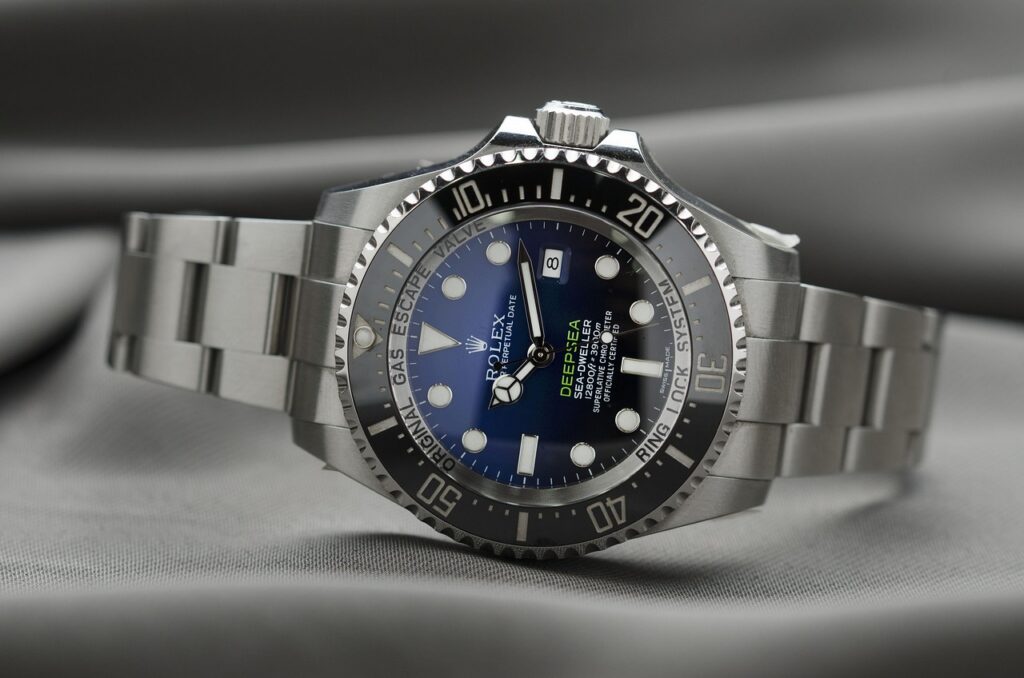
If you own a quartz watch that has stopped, you may not need an extensive watch repair. The battery is often the first place to look. Depending on the model, a quartz watch with a low battery may stop completely, begin behaving irregularly or display a low-battery indicator. Some watches, for example, use changes in the second hand’s movement to indicate that the battery is nearing the end of its life.
A professional watch battery replacement can determine whether a depleted battery is responsible. If the watch still doesn’t work correctly with a fresh battery, further diagnosis may be necessary.
It’s also a good idea to replace a dead battery rather than leaving it inside the watch indefinitely. Old batteries can eventually leak and damage the movement.
There isn’t one service schedule that’s appropriate for every watch. How often your watch should be serviced depends on its manufacturer, movement, age, condition and how frequently you wear it.
A watch regularly exposed to water, dust, impacts or other demanding conditions will have different maintenance needs than one worn occasionally. For luxury and mechanical watches, follow the service recommendations provided by the manufacturer for your specific model. Regular maintenance can allow worn components, aging lubricants and deteriorating seals to be addressed before they cause larger problems.
That said, a recommended service interval isn’t a reason to ignore a problem. If your watch suddenly loses accuracy, develops condensation or shows another warning sign, have it inspected even if its next routine service isn’t due yet.
Addressing problems when they first appear can help protect your timepiece and prevent a relatively minor issue from developing into more extensive damage.
At Sandler’s Diamonds & Time in Mt. Pleasant, SC, we provide professional watch repair services for customers throughout the Charleston area. Our services include routine service, hand resetting, crystal replacement, crown and stem repair, movement overhaul or replacement, impact and magnetization repair, battery replacement and more.
Whether your watch has stopped running, isn’t keeping accurate time or simply doesn’t seem to be working like it used to, bring it to Sandler’s Diamonds & Time for an evaluation. We can identify the problem and recommend the appropriate repair to help get your watch back on your wrist.